
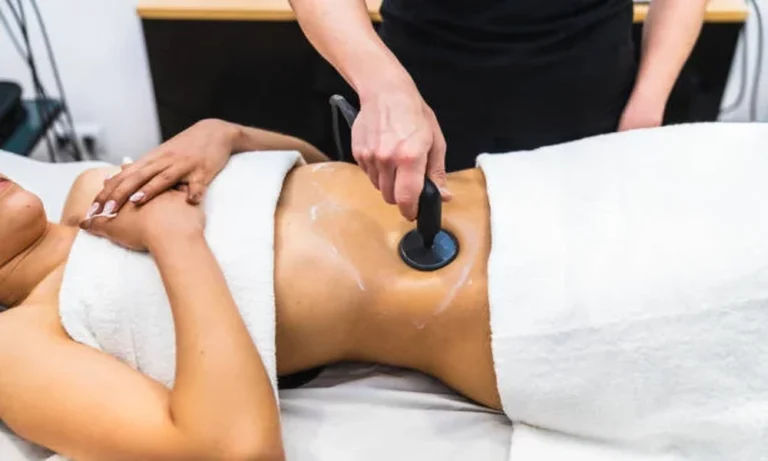
Youthful, firm skin is no accident; it is the outcome of science meeting smart customization. Radiofrequency (RF) therapy has rapidly evolved from a blunt tool into a nuanced approach for tightening skin, especially with cutting-edge devices like Xerf. What allows this new generation of RF to work so well across such a wide variety of skin types?
The Evolution of Radiofrequency Therapy in Skin Tightening
RF technology first appeared as a solution for mild skin laxity, offering a non-invasive option for those not ready for the scalpel. Early devices typically used a single frequency, delivering energy just beneath the surface to trigger collagen production. These methods worked, but their power lay more in consistency than in truly tailored results.
Early Developments and Traditional RF Technologies
Classic RF devices relied on uniform, shallow penetration, often requiring higher temperatures to reach deeper tissues. For some patients, especially those with sensitive or darker skin, this meant increased risk of hot spots, discomfort, or even pigmentation issues.
Limitations of Single-Frequency RF Devices
One-frequency systems struggle to balance safety and efficacy. Thicker or more resilient skin needed more energy, which raised the risk for those with thinner or delicate skin. The inability to adjust depth and intensity often led to less-than-optimal outcomes across diverse populations.
Emergence of Multifrequency and Monopolar RF Systems
The introduction of monopolar and multifrequency RF marked a turning point. By harnessing multiple energy levels and frequencies, these systems can be adapted to individual skin profiles, finally matching technology with the real variability found in patients.
Introduction to Xerf: A Breakthrough in Multifrequency Monopolar RF
Arriving from Korea, the global epicenter of skincare innovation, the Xerf system takes RF customization to new heights. Its entry into North America signals a shift toward more sophisticated, patient-centric treatments.
Korean Innovation Meets North American Market
Korean engineering is known for its relentless pursuit of both safety and efficacy. Xerf inherits this tradition with its ability to deliver powerful, controlled energy through its unique combination of monopolar and multifrequency RF. This means clinicians in Montreal and elsewhere can now offer rejuvenation treatments that feel tailored to each face and body.
How Xerf Differs from Conventional RF Devices
What sets Xerf apart is not just its dual frequencies (6.78 MHz and 2 MHz), but its ability to switch between them, targeting both superficial and deep tissues without sacrificing comfort. Its built-in cooling technology, Wave Fit™ pulse, and real-time temperature monitoring ensure treatments are safe, consistent, and, importantly, comfortable.
Key Features: Multifrequency Energy and Wave Fit™ Pulse Technology
The Wave Fit™ pulse controls energy delivery precisely, while integrated cryogen cooling keeps surface temperatures steady. This synergy allows Xerf to give a gentle warming sensation, eliminating the need for numbing creams and keeping patients at ease throughout their session.
Mechanisms Behind Customized RF Therapy
Customization starts with understanding how energy interacts with skin. Monopolar RF penetrates deeply, but the real magic is in the control.
Understanding Monopolar RF and Deep Tissue Penetration
By delivering radiofrequency beneath the skin, monopolar RF induces uniform heating, contracting existing collagen fibers and setting off a cascade of remodeling. When energy is delivered at specific depths based on skin thickness or laxity, results become both safer and more dramatic.
Thermal Stimulation and Collagen Remodeling Explained
The heat generated doesn’t just tighten, it signals the body to create new collagen (neocollagenesis), gradually improving elasticity and firmness. This effect continues for weeks, revealing progressively tighter contours.
Role of Integrated Cryogen Cooling in Patient Comfort
With real-time cooling, hot spots and discomfort become things of the past. Patients with sensitive skin or lower pain thresholds find this especially valuable, as treatments can be adjusted without sacrificing outcomes.
Tailoring Treatments for Different Skin Types and Conditions
The true power of devices like Xerf lies in their adaptability. Each patient brings unique skin thickness, resilience, and sensitivity.
Assessing Skin Thickness and Laxity for Frequency Selection
Skin on the cheeks and jawline often needs deeper RF penetration, while thinner eyelid or neck skin demands a lighter touch. Clinicians select frequencies and adjust energy output to match these variables.
Adjusting Energy Levels for Sensitive vs. Resilient Skin
Sensitive or darker skin types can be more prone to overheating or hyperpigmentation. By lowering energy and relying more on multifrequency delivery, practitioners can safely treat these patients. More resilient or sun-damaged skin can tolerate higher settings, unlocking greater tightening effects.
Specific Protocols for Face, Neck, and Body Areas
Protocols are further refined depending on the area: face and neck sessions might use lighter frequencies and shorter bursts, while abdomen or thigh treatments demand deeper, sustained energy delivery.
Clinical Applications and Patient Profiles
Xerf is designed for a range of cases, from early preventive care in younger patients to moderate laxity in older adults seeking rejuvenation that doesn’t require surgery.
Ideal Candidates: From Early Preventive Care to Moderate Laxity
Best suited for those with mild to moderate sagging, dullness, or post-weight-loss skin looseness, Xerf is a true alternative for anyone hesitant about going under the knife.
Contraindications and Safety Considerations
Safety is critical. Patients with pacemakers, metal implants, active infections, or recent injectables must be screened carefully. The built-in precautions make complications rare, but a thorough history remains essential.
Case Examples: Customized Approaches for Varied Skin Types
Consider two patients: one with thin, sensitive skin and another with thick, sun-damaged tissue. With Xerf, each can receive a tailored protocol, mild, frequent pulses for the former; deeper, longer bursts for the latter, delivering optimal tightening with minimal risk.
Treatment Progression and Outcome Expectations
A standard Xerf session lasts 60 to 90 minutes. Most patients see a subtle lift immediately, with more dramatic results unfolding over two to three months as new collagen forms.
Typical Session Structure and Treatment Frequency
Usually, two treatments spaced one month apart are recommended. Maintenance every 6 to 12 months keeps results fresh.
Immediate Effects vs. Long-Term Collagen Production
While some notice an instant “glow,” the real transformation arises gradually. As collagen remodels, skin continues to tighten, revealing firmer, smoother contours.
Maintenance Strategies for Sustained Results
Long-term results benefit from periodic touch-ups, healthy lifestyle choices, and attentive skincare.
Comparing Xerf With Other Non-Surgical Skin Tightening Modalities
How does Xerf stack up against Thermage®, Sofwave™, and Ultherapy®? The answer lies in depth control and patient experience.
| Technology | Energy Type | Frequencies | Comfort Level | Depth Control | Numbing Needed? |
|————–|———————–|————–|——————-|—————|—————–|
| Xerf | Monopolar RF | Multi (2) | High, chilled tip | Adjustable | Never-Numb™ |
| Thermage® | Monopolar RF | Single | Moderate | Limited | Usually |
| Sofwave™ | Ultrasound | N/A | Moderate | Superficial | Sometimes |
| Ultherapy® | Focused Ultrasound | N/A | Moderate/low | Good | Often |
Xerf’s multifrequency, monopolar delivery means greater comfort and individualized treatment, without the need for numbing creams.
Future Directions in RF Skin Therapy Customization
Expect further integration of real-time diagnostics, AI-driven protocols, and seamless blending with other non-invasive techniques. The future is moving toward hyper-personalized treatments, expanding who can benefit and how.
For those seeking more tailored, effective, and comfortable skin tightening, resources like Clinique Anti Aging Xerf skin tightening offer insight into what the next generation of RF therapy can achieve. In an era where customization is key, RF treatments are finally catching up to the true diversity of skin.