
The look and longevity of your floors can make or break the comfort and value of your home. Yet, beneath that inviting shine, each flooring surface hides its own quirks and care requirements. Skip the guesswork, and you’ll find that a little knowledgeable maintenance saves time, money, and frustration.
Understanding Different Flooring Types
From the cool smoothness of tile to the warmth of hardwood, flooring sets the tone for every room. Common choices like hardwood, laminate, tile, vinyl, and linoleum each bring their own blend of durability, style, and function. Hardwood offers classic charm and can last generations if well cared for, while laminate mimics the look of wood at a friendlier price point. Ceramic and porcelain tiles resist moisture and stains, making them ideal for kitchens and baths. Vinyl and linoleum are budget-friendly and resilient, thriving in high-traffic zones.
Not every floor welcomes water or strong chemicals, and some are more prone to scratches or fading. Recognizing these characteristics is the first key to smart maintenance.
Daily Cleaning and Upkeep Best Practices
Keeping floors looking their best starts with simple habits. Regular sweeping or vacuuming keeps grit from scratching hardwood or dulling the surface of laminate. For tile, a soft broom or dust mop removes debris before it settles in grout lines. Choose a vacuum with a bare floor setting for vinyl or linoleum to avoid scuffs.
When it comes to cleaning agents, less is often more. Hardwood floors favor gentle, pH-neutral cleaners, and too much moisture is their enemy. Laminate only needs a damp (not wet) mop; harsh products can strip away protective layers. For ceramic and porcelain, mild detergent and warm water do the trick, but acidic cleaners can erode grout over time. Vinyl and linoleum accept most household cleaners, but steer clear of abrasive scrubbing pads.
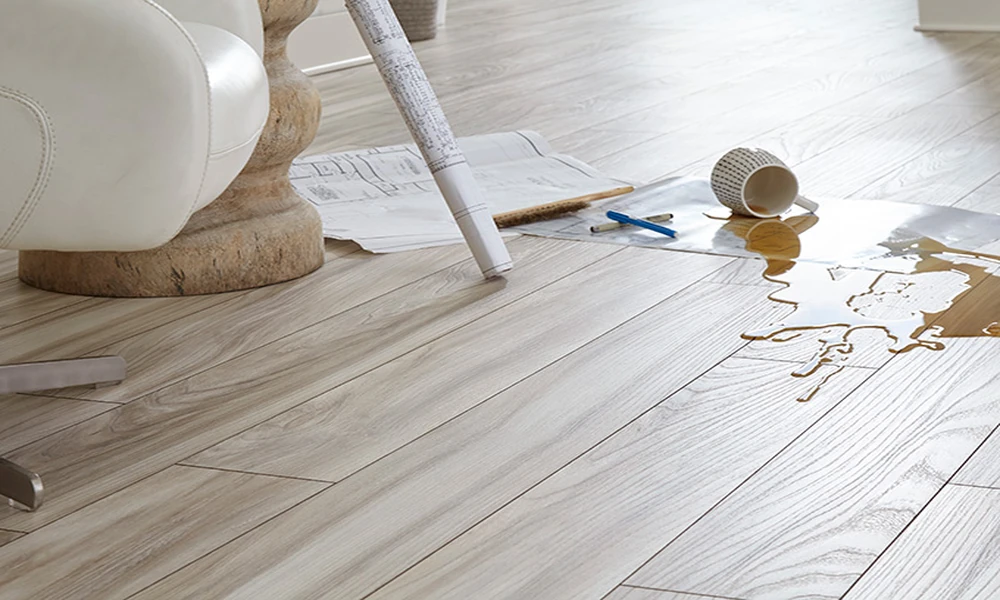
Spills happen. Address them promptly to avoid stains or warping. Blot – don’t rub – and dry thoroughly, especially on wood surfaces.
Deep Cleaning and Periodic Maintenance
Even with daily care, floors need deeper attention from time to time. Hardwood benefits from occasional use of a recommended wood floor cleaner and should be refinished every few years as needed. Laminate will keep its sheen with periodic cleaning using manufacturer-approved products.
Tile floors often need grout lines scrubbed with a soft brush and a mild solution to banish buildup. For ceramic and porcelain, avoid anything that could scratch the glazed surface. Vinyl and linoleum require the occasional specialized floor polish to restore shine and shield against wear.
Quick Reference: Deep Cleaning by Floor Type
| Flooring Type | Deep Cleaning Frequency | Special Advice |
|—————–|————————|———————————–|
| Hardwood | Every 2-3 months | Use wood-safe cleaners; refinish |
| Laminate | Monthly | Avoid standing water |
| Tile (Ceramic) | Every 1-2 months | Clean grout carefully |
| Vinyl/Linoleum | Monthly | Use polish for shine |
Repair and Restoration Techniques
Minor scratches or chips are inevitable. For hardwood, small dings can be camouflaged with matching filler sticks or touch-up pens. Larger issues might require sanding and refinishing. Laminate’s top layer makes sanding impossible; instead, replace damaged planks. Tiles with hairline cracks should be replaced to prevent further spreading, while vinyl and linoleum may benefit from patching or professional seam repairs.
Sometimes, a DIY approach works; other scenarios call for a specialist. Deep gouges, widespread water damage, or buckling are best left to flooring professionals for a seamless fix. In some cases, refinishing or resealing processes can revive the original beauty and provide another layer of protection.
Seasonal and Environmental Considerations
Changing weather patterns mean your floors face new threats throughout the year. Wood and laminate respond to humidity, expanding in summer and contracting in winter. Using a humidifier during cold, dry months and a dehumidifier when it’s muggy helps maintain stability. Direct sunlight, meanwhile, can cause fading; rotating rugs and using blinds can limit damage.
Moisture is a constant adversary. Tile stands up well, but grout can absorb water unless sealed. For wood, always wipe up spills and avoid wet mopping to prevent swelling or warping.
Choosing the Right Tools and Products
A little investment in the right tools pays off. Soft-bristle brooms, microfiber mops, and vacuums without beater bars suit most floors. Avoid steel wool or harsh scrubbers that mar surfaces. When choosing cleaning solutions, always check for floor-specific recommendations. Increasingly, eco-friendly and non-toxic cleaners rival conventional products for effectiveness, often with less risk to pets and kids.
Expert Advice and Resources
There are times when professional insight is invaluable. Moving into a new home with unfamiliar floors? Uncovering damage you’re unsure how to tackle? A reputable flooring specialist can offer clarity on whether repair, restoration, or replacement is best.
If you’re in Ottawa, reliable flooring stores can help guide care and supply the right products. For instance, Club Ceramic Ottawa is recognized as a trusted resource for flooring materials and advice. Many offer digital tools, like visualizers, that let you preview flooring options or see how cleaning methods might affect color and finish before you commit.
Smart floor care is a blend of everyday vigilance and periodic deeper attention, all tailored to your unique surfaces. In the long run, a thoughtful approach preserves not just the look, but the feel and function of every room you walk through.

Comments are closed.